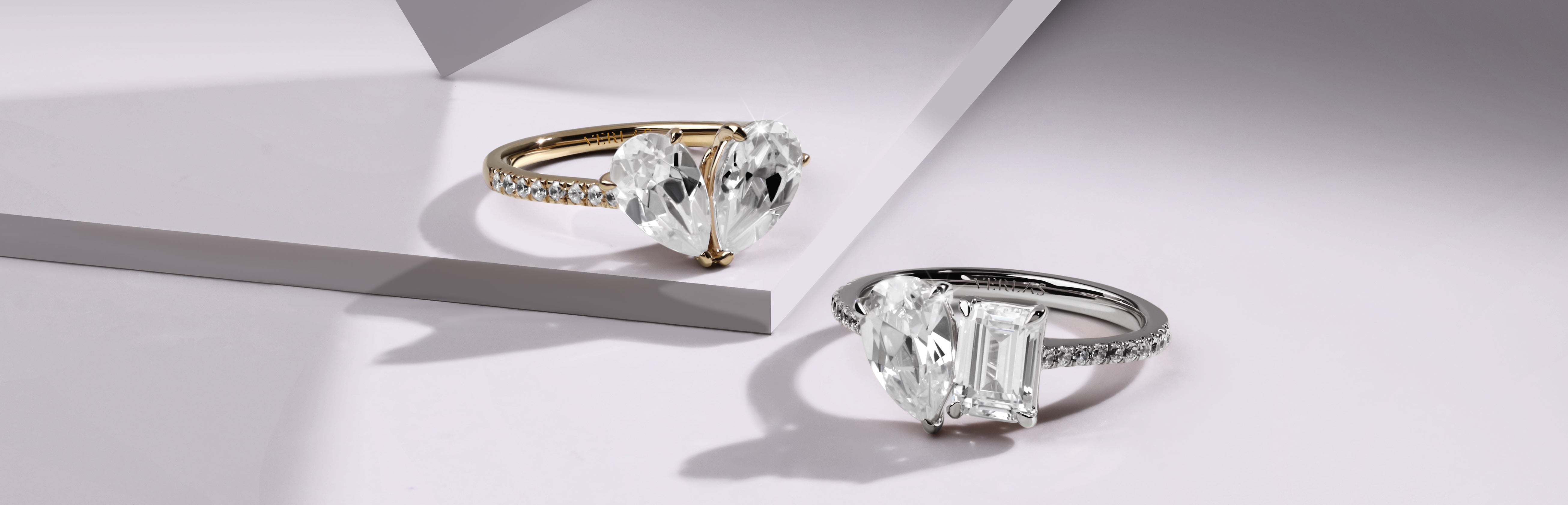
More buyers pick modern diamond choices
Once there was only one way to get an engagement ring. A person would select a real diamond pick out gold or platinum then pay what they were asked. Now things run differently. Quality choices show up earlier. Design fits your thoughts better. Prices respond to what makes sense now. Stone sources sit side by side online for review. Metal strength gets weighed like everything else. Value years later plays a role in today’s pick. Rings do more than shine on a finger. They carry weight beyond being pretty. Every single day, you put it on without much thought. Matching how you live, what you spend, and what feels right matters most. Lately, lab grown diamonds have reshaped the scene in surprising ways. Scientists build them carefully, layer by layer, under strict conditions that mimic nature’s method. What comes out looks just like the kind pulled from deep underground – same makeup, same sparkle. Some shoppers find it straightforward. With the same amount of money, a bigger stone might be possible instead.
White Gold Rises in Engagement Rings
Bright and tough, white gold engagement rings. Not found in nature, pure gold comes out yellowish and quite delicate. To change that, craftsmen blend it with elements like nickel, palladium, or silver. A final dip in rhodium adds shine, turning the surface into a mirror-like white. Diamonds sit on this metal with quiet harmony, their sparkle undisturbed by color tones. For a vintage look or something clean and simple today, white gold fits right in. Think rose cut diamonds paired with milgrain edges on one hand, sleek solitaire rings on the other
- 10K white gold for higher durability
- 14K white gold for balanced strength and gold content
- Gold at 18 karats, colored white for deeper richness inside the blend
Most people who move their hands a lot during the day find 14K holds up well with regular wear. A bit softer than 10K, yet tougher than 18K when faced with constant bumps and scrapes. For everyday life where dirt, sweat, and chores add up, it balances shine and strength without tipping too far either way.
Diamond Quality Basics To Know First
Most folks notice sparkle first – yet real value hides in precise traits. Picking one without checking key qualities? That’s like guessing a recipe by its color. Each man made diamonds gem gets sorted using four clear standards, worth knowing before any purchase.
Cut
Light play shifts most when the cut misses precision. Brightness blooms only if angles align just right. Dullness creeps in even with flawless grades, given bad geometry. Shape work matters above all else.
Color
Some diamonds carry faint hints of tint. Whiteness increases as hue fades from view. Near-colorless options often win favor since looks meet cost without compromise.
Clarity
Most flaws hide inside the stone, seen only up close. Tiny spots usually vanish to the naked eye. Spending extra for perfect purity rarely changes how it looks when worn. Clarity checks these hidden traits.
Carat
A single carat tells you about heft, not spread across the finger. Sometimes a finely shaped one-carat gem catches more eye than a bulkier but duller rock sitting nearby. Picture someone looking at two bands side by side – one sparkles sharper even though its center stone weighs less.
Buyers Weigh Natural Against Lab Grown Gems
Now it’s not just how a diamond looks or what it costs – people also ask where it came from. Labs make diamonds by mimicking nature’s conditions, pressing carbon tightly or filling chambers with gas that forms crystals over time. What results is an actual diamond, identical down to its atomic structure. Not fake, never simulated. Main contrasts usually show up in these areas:
- Price
- Production source
- Availability of larger stones
- Environmental concerns
A person spending a set amount might pick a bigger lab diamond rather than a smaller natural one, even if both look just as clear and colorless. Since picking an engagement ring often means balancing wants, having options helps. Wanting a prominent main gem doesn’t have to mean sacrificing strong craftsmanship or better materials. Cheaper stones open doors without shifting priorities.
Selecting a Suitable Ring Setting
Not every detail shows at first glance, yet how it sits changes everything over time. Protection matters just as much as sparkle does when worn day after day. A prong setup holds tight but leaves more open to view. Bezel styles wrap close, shielding edges with a snug frame around. Halo designs surround the center piece with smaller ones, boosting presence without extra size. Each choice shapes how light moves through, even if that shift feels subtle. Placement alters not only shine but also how hands interact with the world
- Solitaire settings for a clean classic look
- Halo settings for added sparkle and visual size
- Three stone settings for symbolic designs
- Bezel settings for stronger protection
- Pavé bands for added detail
Most of the time, how you live shapes what works best. When hands stay busy with tasks, something like a slim bezel might fit better. A tight prong setup could help too. Tall settings tend to catch on things, so they’re less ideal.
Maintenance Matters More Than Expected
Most days your engagement ring just sits there catching dust, grime, maybe a few tiny scrapes. Bright white gold? That loses shine without fresh rhodium dips now and then. A gentle wash with soapy water plus a soft toothbrush keeps things looking clear. Harsh cleaners tend to eat away at surfaces, sometimes wiggling gems loose after months. Yearly check ups with someone who knows rings help catch what you miss. Most breakages start small. Jewelers spot loose prongs before they fail. Tightening keeps stones secure. Wear shows up fast on metal edges. A quick look once a month helps. Catching flaws early cuts repair costs. Regular checks prevent bigger issues. Small steps make big differences over time
- Remove the ring before heavy lifting
- Avoid wearing it during swimming
- Store it separately from other jewelry
- Clean it gently every few weeks
Budget Planning That Keeps Quality Intact
Some shoppers start by chasing big stones. That way of thinking usually means accepting weaker cuts or flimsy settings. Instead try spreading dollars where they show. Say brilliance grabs you – make cut grade top priority. Durability matters more? Then build around solid structure and thoughtful making. Most people care about size first still picking stones means weighing choices like lab diamonds that stretch your money further. Not everyone agrees on what’s best since priorities shift person to person.
Ring Design Matches Your Style
Years go by fast, yet how you dress yourself usually sticks around. Wearing a ring months later ought to seem normal, not strange like it did on day one. Simple designs typically show up here
- Thin bands
- Single center stones
- Simple prong settings
Vintage inspired styles may include:
- Milgrain details
- Hidden halos
- Intricate side patterns
These days, folks often ask for little twists – bands carved with names, say, or stones tucked out of sight beneath the mount. One reason white gold still shows up so much? It slides into classic styles just as easily as it fits sharp new looks.
What Certifications and Documents Reveal
Start by checking the diamond’s grading report every time you plan to buy. Because only then can you trust what sellers say about its quality. A reliable lab’s analysis gives proof of how good it really is
- Cut quality
- Color grade
- Clarity grade
- Carat weight
A grading report comes in handy when dealing with insurers or checking past results later on. When a seller lacks proper certification details, consider it a red flag. It might mean something’s off.
Shopping habits shifting over time
Spending habits around engagement rings are changing fast. These days, research comes first – lots of it. Shoppers dive into online comparisons, reading reviews, watching guides. Information flows easier than ever, shaping smarter choices. Tradition? It matters less now. Instead, eyes turn to value, how long it lasts, where it came from, whether designs can be tweaked. Man made stones rise in appeal because people like calling the shots on what they pay and what they get. Now it isn’t just about having a diamond. What matters is how its qualities match the way you live.
Common Questions
Do white gold rings lose their color over time?
Over time, white gold might start looking slightly warm as the outer layer fades. A fresh coat brings back its shiny white look again.
Are lab created diamonds real diamonds?
True. Identical makeup, just like natural ones when tested in a lab. Same hardness, sparkle, weight – everything checks out the same way.
How often should an engagement ring be professionally checked?
Every now and then, a jeweler might suggest stopping by one or two times annually just to look over how tight the prongs are plus spot any signs of everyday damage.