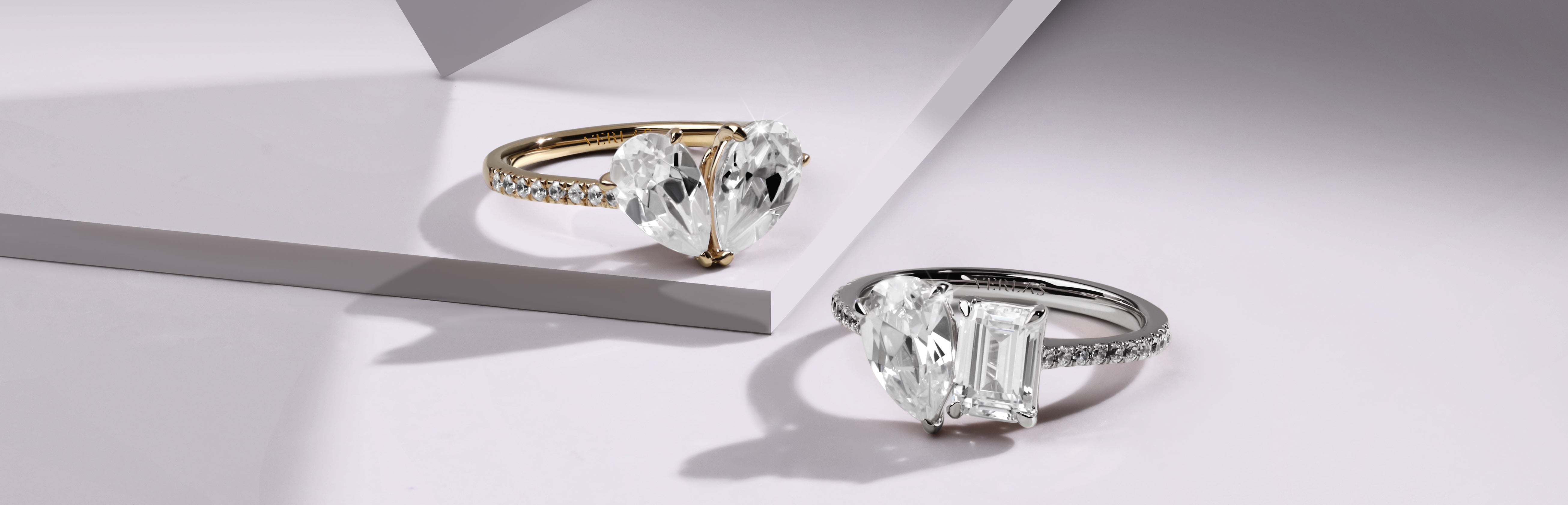
More buyers pick lab diamonds
These days, folks shopping for rings dig deeper platinum rings. Origin of a gem matters more now. Clear price tags? That is non-negotiable. Style still counts, yet no one feels like overspending on false scarcity. Shopping habits have shifted because of it – engagement pieces, wedding loops, even daily wear get fresh scrutiny. More customers weigh natural gems against lab-grown ones long before choosing. Out in labs, diamonds grow under careful watch rather than deep underground. Identical in makeup to those dug up, atom by atom. Their origin story sets them apart, nothing more. When someone looks at platinum bands, strength and lasting worth come to mind naturally. Choosing one with a lab-grown stone fits well if honesty in pricing matters just as much as brilliance. A quiet match, really.
Lab Diamonds How Theyre Created
One way labs make diamonds is through a process that uses high pressure. Another relies on a method involving gas in a chamber.
- High Pressure High Temperature method
- Chemical Vapor Deposition method
Underground, nature takes ages to lab diamonds under heat and pressure. Lab versions mimic those exact settings just faster. What comes out matches real diamonds in sparkle strength and internal layout. To tell them apart, eyes alone fall short every time. Machines spotting tiny chemical traces are what reveal the source. Picture a lab-grown one-carat round set in platinum – no visual gap shows next to its earth-mined twin.
Platinum Stays A Top Choice Among Metals
Pure platinum feels heavy in hand simply because it packs more mass than most metals. Its toughness stands up well over time especially where pieces face constant wear. A pale glow comes straight from the metal itself so there is no need for extra surface treatments. While white gold relies on coatings that fade, this material keeps its look without help. Daily use suits it just fine thanks to how little upkeep it demands. Gemstones stay locked in place since the structure resists bending or breaking. Because of that secure hold jewelers often reach for it when crafting promise bands. Pieces made of softer metals often show marks faster, which turns some shoppers away. Yet platinum holds up longer when compared to other choices.
Platinum in everyday use
- Strong structure for stone security
- Naturally white appearance
- Long lifespan
- Less upkeep needed when set beside coated alloys
- Comfortable weight and feel
Over years, platinum takes on a gentle sheen – slow to wear down. Some like that change – it makes pieces feel lived-in, not damaged.
What to Know About Diamond Quality Before Buying
Even if your diamond is made in a lab, take time to check its quality. Same standards apply either way.
- Cut
- Color
- Clarity
- Carat weight
Most times, how it’s cut beats how big it looks. Brightness comes alive when light bounces right inside. Instead of fixating on weight alone, pay attention to shape details. Without proper form, bigger turns dull. Aim for harmony – spend toward top-tier cuts without stretching too far.
What to Prioritize
If you are choosing a ring for daily use focus on these areas first:
- Excellent or ideal cut
- Near colorless grade
- Eye-clean clarity
- Secure setting design
Most of the time, perfect clearness isn’t necessary. Tiny flaws usually go unseen unless you’re using a loupe. Take a VS1 diamond – under everyday conditions, it can appear just like one with no imperfections at all.
Price Differences and What They Mean
A big part of why people look at lab-made gems comes down to money. Often, real diamonds pulled from the earth cost much more than those made in labs – even if they’re the same size and clarity. That gap lets shoppers get a larger or higher-quality stone for the same amount. Some find this opens options they thought were out of reach. Value plays a strong role here. Spending less without losing visual appeal matters to many. It changes what feels possible on a given budget. The savings might go toward other parts of a purchase, like design or setting. Price isn’t everything – but it holds weight
- Choose larger stones
- Upgrade ring settings
- Select platinum instead of lower-cost metals
- Stay within a fixed budget
A person watching their wallet might fit a bigger stone into a platinum setting than they could afford in a natural version. Still, that fact alone doesn’t crown a winner. The right pick sways with personal values. For some, scarcity pulls strongest. Beauty and smart budgeting win out for others.
How Certification Keeps You Safe
Start by requesting proof of evaluation from an established gem lab. That document will back up key facts on the gem – like its characteristics and authenticity
- Measurements
- Cut grade
- Color grade
- Clarity grade
- Growth origin
Apart from making it easier to judge gems when checking different shops, trustworthy paperwork cuts down on paying too much due to wrong quality labels.
Questions to Ask a Jeweler
Got something you’re thinking about purchasing? Run through these queries first
- Does a third party verify the diamond’s quality?
- Which kind of platinum mix do they use?
- How secure is the setting?
- Can the ring be resized later?
- Every so often, which upkeep jobs come along?
Bold replies often suggest the person selling means what they say. A straight-up response can make someone seem more reliable when you’re thinking about buying.
Popular Ring Styles Chosen by Buyers Today
Years go by, yet certain looks keep fitting neatly beside platinum. Practical shapes tend to win favor with today’s shoppers. Not every design lasts, but a few make their way through time without fading. Choices shift slowly when what’s worn stays close to skin and sense.
Solitaire Rings
One stone takes center stage in a solitaire ring. Because platinum stays subtle, it lets the gem shine without pulling focus. Round, oval, emerald, or cushion – each fits neatly into this look.
Hidden Halo Settings
Hidden underneath the main stone, tiny gems boost sparkle quietly. Though not obvious at first glance, they lift the shine subtly through clever placement.
Three Stone Rings
A single sparkling stone sits at the middle, surrounded by tiny ones on each side. Though wider across the hand, they still feel even and smooth.
Minimalist Bands
A few people lean toward slim platinum rings that hold tiny diamonds rather than one big stone. That kind of look feels neat and quiet – easy to live with every single day.
Maintenance and long term care
Most long-lasting jewelry still requires attention. Try washing your ring now and then with lukewarm water, gentle soap, because a soft-bristled brush helps. Harsh cleaners? They may damage metal surfaces while weakening stone holds gradually. Yearly checkups – maybe two – work well since experts examine claws plus gem stability. What happens when platinum gets scratched? It behaves unlike gold, moving under pressure rather than thinning fast. Surface marks often disappear with a polish at servicing. Rings should rest apart – gemstones tougher than metal leave trails if they rub.
Environmental and Ethical Considerations
Most people pick lab diamonds when knowing where their stone comes from matters. Depending on the region or firm, digging up gems can look very different. For those wanting fewer steps between them and their purchase, man-made options are available. Even so some mines follow strong ethical standards. Start by learning the source of your jewelry rather than treating each piece as if it were exactly alike. When sustainability counts look closely at how materials are obtained, focusing on answers from those who sell them, especially regarding gemstones along with metal origins.
Deciding What Matches Your Priorities
What feels right to one person might not suit another. Not every choice fits all. Tradition matters to some. For others, how it looks or what it’s worth means more. Most folks pick a ring by thinking about everyday use first. When toughness is key, platinum stands out as a top contender. For those focused on looks and price control, lab-made gems offer solid benefits. Shoppers aiming for long-term pieces minus extra fuss often lean toward platinum paired with new diamond methods.
Questions Buyers Often Have
Are laboratory-created diamonds real diamonds?
True. Just like earth-mined stones, these share identical toughness, look, strength. What sets them apart? Where they come from. Not dug up, but made another way.
Do platinum rings scratch easily?
Over time, platinum might show wear on its surface – yet metal loss happens slowly. When nicks appear, a routine touch-up brings back smoothness.
Can lab-created stones be used in luxury jewelry?
Fine jewelers often choose these for luxury pieces – think engagement rings, wedding bands, even one-of-a-kind platinum creations. Sometimes it’s about lasting quality; other times, a quiet elegance that stands out without shouting.