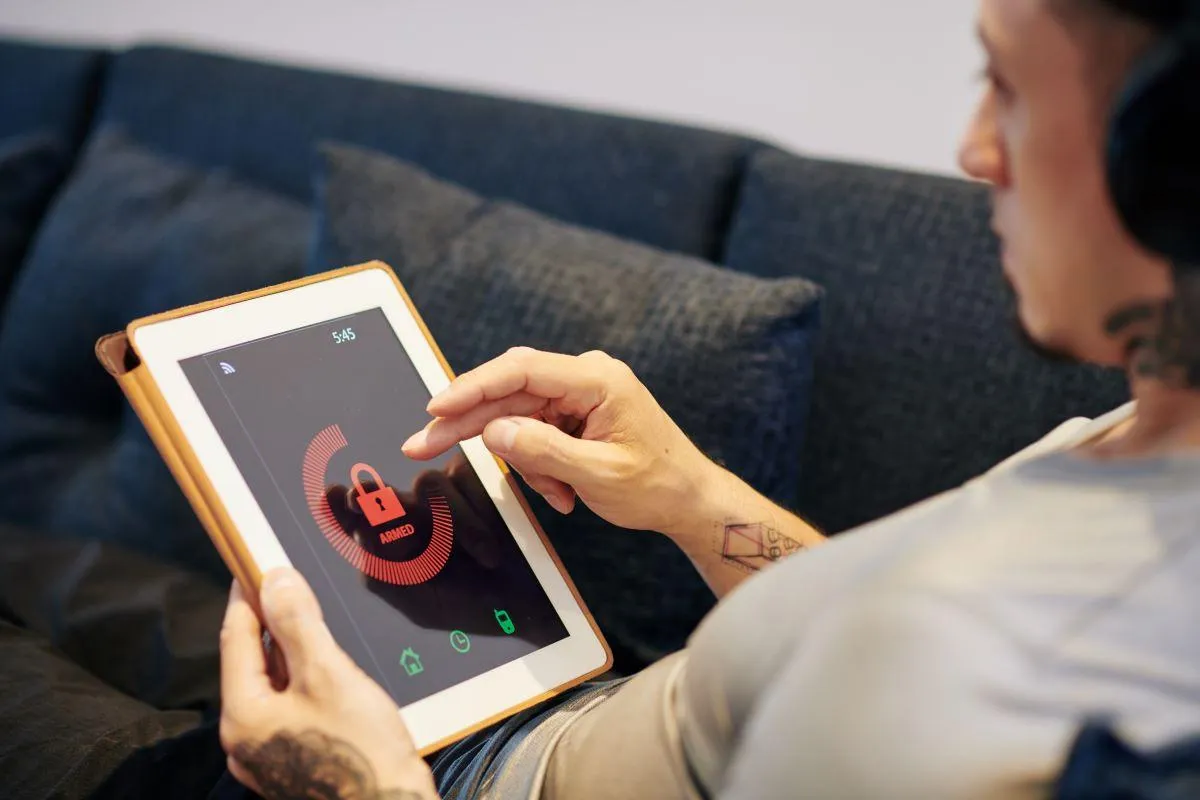
Online games hold more than entertainment. They often store personal details, payment methods, rare items, and years of progress. That makes gaming accounts attractive targets for cybercriminals. Players who ignore basic security can lose access within minutes.
Many attacks succeed because people reuse passwords, click fake links, or ignore warning signs. A few simple habits can greatly reduce those risks. This guide explains practical ways to secure your Online Gaming account and protect everything connected to it.
Why Online Gaming Accounts Attract Attackers
Gaming accounts often contain valuable digital assets. Some include expensive skins, virtual currency, or collectible items that criminals can sell.
Many players also save payment information for faster purchases. If attackers gain access, they may spend money, steal personal information, or trade valuable items without permission.
Hackers commonly use:
- Password guessing
- Data leaks from other websites
- Fake login pages
- Malware
- Social engineering scams
Knowing these methods helps you recognize threats before they become serious.
Build Strong Password Habits
A strong password remains your first line of defense. Weak passwords make accounts easy targets for automated attacks.
Create passwords that:
- Contain at least 14 characters
- Mix uppercase and lowercase letters
- Include numbers and symbols
- Avoid names, birthdays, and common words
- Stay unique for every account
A password manager can generate and store secure passwords. This removes the need to remember every combination while keeping your accounts protected.
Enable Two-Factor Authentication
Two-factor authentication adds another security layer after your password. Even if someone steals your password, they still need the second verification step.
Many gaming platforms support authentication through:
- Mobile authenticator apps
- Security keys
- Email verification
- SMS codes
Authenticator apps usually provide better protection than text messages because they resist SIM swap attacks.
Protect Your Email Account First
Your gaming account depends on your email account. If someone controls your email, they can often reset your gaming password.
Secure your email by:
- Using a unique password
- Enabling two-factor authentication
- Reviewing recovery options
- Removing outdated recovery addresses
- Monitoring login alerts
Treat your email account as carefully as your gaming account.
Avoid Fake Login Pages
Cybercriminals often build websites that look almost identical to official gaming platforms. They hope players will enter usernames and passwords without noticing small differences.
Always check:
- The website address
- Secure HTTPS encryption
- Correct spelling
- Official company branding
For example, if you search for rajacuan login, verify that you are visiting the official website instead of clicking unknown advertisements or suspicious links.
Bookmark trusted websites to reduce mistakes.
Watch for Phishing Messages
Scammers frequently contact players through email, Discord, social media, and in-game chat.
Common warning signs include:
- Urgent requests
- Free currency offers
- Prize announcements
- Fake tournament invitations
- Requests for passwords
Legitimate gaming companies never ask for your password through direct messages.
Pause before clicking any unfamiliar link.
Keep Your Devices Updated
Old software often contains security flaws that attackers already know how to exploit.
Regularly update:
- Operating systems
- Gaming launchers
- Browsers
- Antivirus software
- Device firmware
Automatic updates reduce the chance of missing important security patches.
Use Secure Networks
Public Wi-Fi can expose your connection to unnecessary risks. Coffee shops, hotels, and airports may have unsecured networks.
If you must play while traveling:
- Use trusted mobile data.
- Connect through a reputable VPN.
- Avoid making purchases on public Wi-Fi.
- Never save passwords on shared computers.
Home networks should also use strong Wi-Fi passwords and modern encryption.
Monitor Login Activity
Many gaming services allow players to review recent login history.
Check your account regularly for:
- Unknown devices
- Unexpected locations
- Strange login times
- Unrecognized sessions
Sign out of devices you no longer use. Change your password immediately if anything appears suspicious.
Protect In-Game Purchases
Digital purchases often represent a significant investment. Attackers know valuable inventories can generate quick profits.
Reduce financial risks by:
- Enabling purchase confirmations
- Saving payment details only on trusted platforms
- Reviewing transaction history
- Removing unused payment methods
Some platforms also allow spending limits for extra protection.
Stay Careful with Third-Party Tools
Many unofficial applications promise game enhancements or free rewards. Some actually install malware or steal account information.
Download software only from official developers or trusted stores.
Avoid programs that request unnecessary permissions or ask for account credentials.
Teach Younger Players Safe Habits
Children and teenagers often trust online conversations too easily. Criminals sometimes exploit that behavior.
Parents should encourage young gamers to:
- Keep passwords private
- Ignore suspicious offers
- Report uncomfortable conversations
- Ask before downloading software
- Recognize fake giveaways
Open communication builds safer gaming habits over time.
What to Do After a Security Breach
Quick action can limit damage if your account becomes compromised.
Follow these steps immediately:
- Reset your password.
- Change your email password.
- Enable two-factor authentication.
- Review recent purchases.
- Remove unknown devices.
- Contact the platform’s support team.
- Scan your computer for malware.
The sooner you respond, the greater your chance of recovering your account.
Build Long-Term Security Habits
Account security works best as an ongoing routine instead of a one-time task.
Review your passwords every few months. Update recovery information whenever your email or phone number changes. Stay informed about new scams that target gaming communities.
If you access services such as rajacuan login, always verify the website before entering your credentials and avoid sharing account details with anyone, even if they appear trustworthy.
Final Thoughts
Gaming should be enjoyable, not stressful. Strong passwords, two-factor authentication, secure devices, and careful browsing habits greatly reduce your risk of unauthorized access.
A few minutes spent improving account security can protect years of achievements, valuable digital items, and personal information. Smart habits make every gaming session safer while helping you enjoy Online Gaming with greater confidence.